
| Menu |
13
Apr
2019
Wherever you look these days, the digital age is upon us, whether by a mobile phone, SMART TV, satellite navigation or even a watch that measures our health! This technology has also managed to integrate into our boating leisure time.
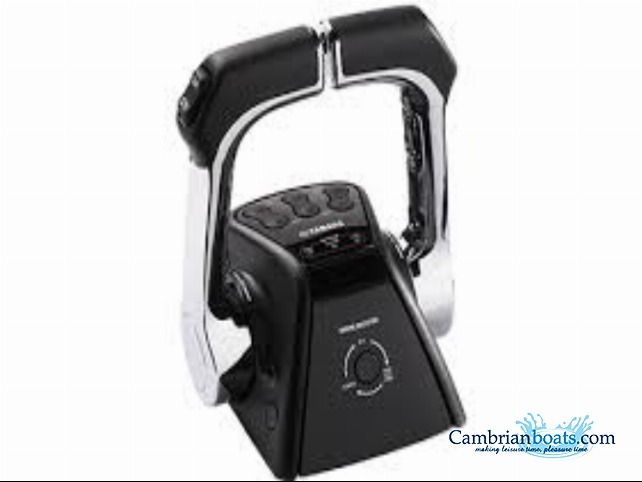
While electronic fuel injection has been a standard feature for some time, you might not have been aware that controlling your craft is so much easier through your throttle and gear control other than the historic thick cables that operate this are noticeably absent! For some years now, engine manufactures have been including electronic controls to their larger inboard and outboard packages but this technology is now filtering to smaller capacity blocks.
In the past, Yamaha, Suzuki and Honda did offer fly-by -wire systems as an alternative to mechanical but as demand for the latter has diminished so much in recent years the only option for a lot of larger horsepower engines is now electronic.
This innovation is not solely for throttle/control systems though, like the motor car industry fly-by-wire can be specified as steering systems making it a neater, more positive and service friendly operation to cable and hydraulic systems.
There also now is a combination of steering, gear and throttle available, a joystick option although we will be covering this in a separate article as it warrants more narrative than just a brief review here.
There will be the doubters who will question their faith in these systems, however we should not forget millions of people every week trust this type of electronics when boarding a plane, and there cannot be too many of us at some point in our lives have cursed the historic cable systems when their boat controls stiffen or snap. The ‘old school’ engineer will occasionally comment that they are unable to repair this newer technology but then the reality is they do not demand the same level of attention the traditional types of control do anyway!
With smooth and positive action, once experienced it is unlikely you will ever want the alternative option to electronic control, where twin engines are in operation the problem of cables wearing/stretching are eliminated which is of even greater benefit to inboard motors such as Volvo Penta and Mercruiser where invariably the link from control box to engine is hidden making mechanical adjustment difficult.
The silicon chip, fibre optic cable and myriad of other electronic science continues to improve our everyday lives making it easier and safer to enjoy leisure pursuits, the only question is where it will take us next?
Next update: The joystick